

Queer Legacy
Making room for the whole story
Queer history is often left out of the story we're taught. Queer people of color are erased even more often, their contributions folded into movements that rarely credit them by name. The people our rooms are named after were organizers, artists, and thinkers who shaped the world we live in, and many of them did that work while being pushed to the margins of their own movements. We name our rooms after them so their stories stay visible here.
In their spirit, we stand against state violence in all its forms. No ICE. Free Palestine. Stop genocide everywhere.
-
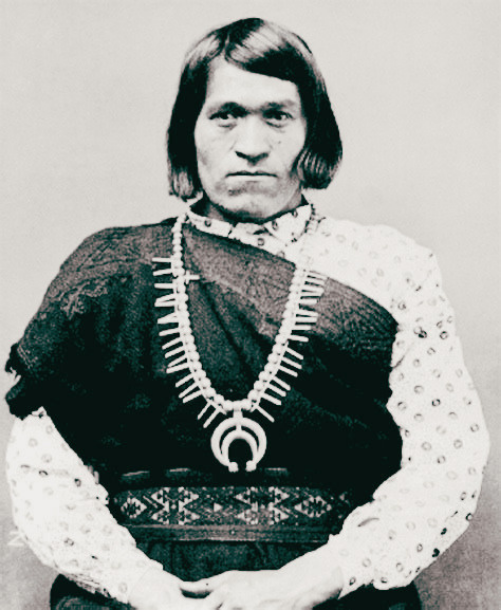
We'Wha
1849-1896
We'wha was a lhamana of the Zuni people, a recognized third-gender role held in high esteem within Zuni culture. Known as a gifted weaver, potter, and spiritual leader, We'wha moved fluidly between the tasks and ceremonial roles associated with both men and women in Zuni society. In 1886, We'wha traveled to Washington, D.C. as part of a Zuni delegation and met with President Grover Cleveland, becoming one of the first Native people many Americans encountered in that context. We'wha's life remains a touchstone for understanding gender diversity that existed in Indigenous cultures long before Western vocabulary caught up.
Learn more: Making Queer History
-
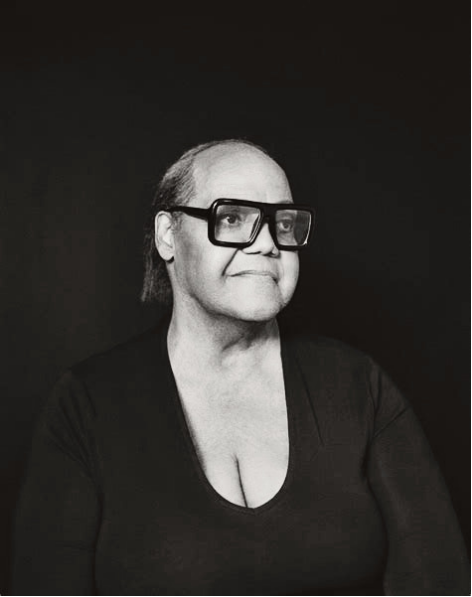
Miss Major Griffin-Gracy
1946-2025
Miss Major Griffin-Gracy was a Black transgender elder who spent more than five decades advocating for trans women of color, particularly those affected by incarceration. Present at the Stonewall uprising in 1969, she went on to serve as the first executive director of the Transgender Gender-Variant Intersex Justice Project, supporting trans people in prison, and later founded House of GG, a retreat and leadership space for trans and gender-nonconforming people in the South. Known affectionately as "Mama" within her community, Miss Major's approach to activism centered mentorship, direct care, and an insistence that younger generations not be complacent.
Learn more: Trans Solidarity Project
-
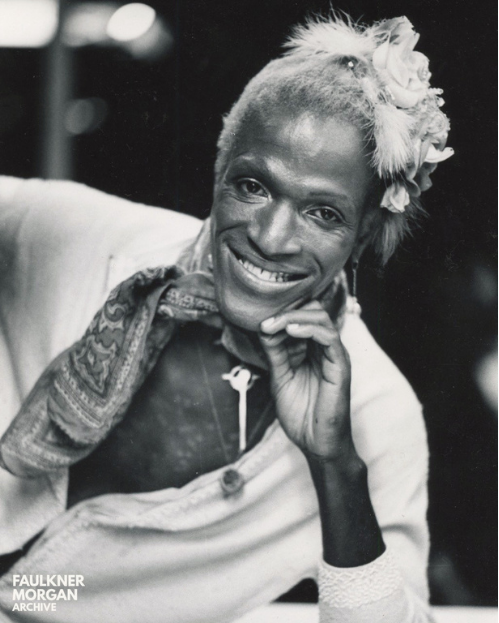
Marsha P. Johnson
1945-1992
Marsha P. Johnson was a Black transgender activist, drag queen, and performer who became one of the most recognized figures of the 1969 Stonewall uprising. Alongside Sylvia Rivera, she co-founded STAR to provide housing and support for homeless queer and trans youth in New York City. Johnson was also active in the Gay Liberation Front and, later, ACT UP, where she advocated for people affected by HIV/AIDS. Known for her warmth and generosity even amid her own hardship, Johnson remains one of the most enduring symbols of trans resilience and community care.
Learn more: Women & The American Story
-
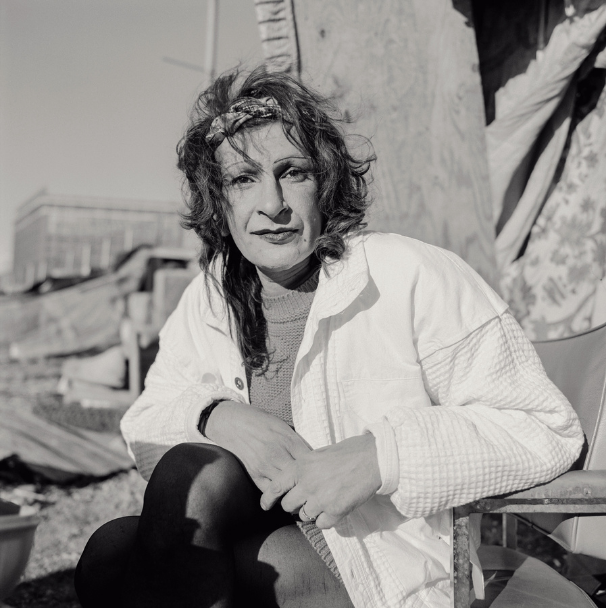
Sylvia Rivera
1951-2002
Sylvia Rivera was a Puerto Rican and Venezuelan American transgender activist who came of age on the streets of New York City. She took part in the 1969 Stonewall uprising as a teenager and went on to co-found the Gay Liberation Front and, alongside Marsha P. Johnson, Street Transvestite Action Revolutionaries (STAR), one of the first organizations to shelter homeless transgender and queer youth. Rivera spent much of her life pushing the broader gay rights movement to include the transgender people, people of color, and low-income queer folks it often left out. Her advocacy continues through the Sylvia Rivera Law Project, founded in her name.
Learn more: National Women's History Museum
-
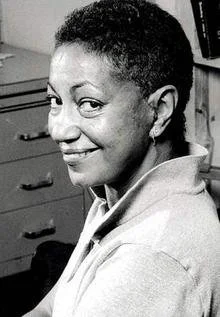
June Jordan
1936-2002
June Jordan was a Black bisexual poet, essayist, teacher, and activist whose work insisted that liberation is never partial. Born in Harlem to Jamaican immigrant parents and raised in Bedford-Stuyvesant, she published more than 25 books across poetry, essays, children's literature, and political writing.
Jordan wrote fearlessly about race, gender, sexuality, and state violence, and she refused to separate them. Her 1991 essay "A New Politics of Sexuality" became a landmark defense of bisexuality as a whole and legitimate identity. After the 1982 massacre at Sabra and Shatila, she wrote "Moving Towards Home," a poem that bound her own Black womanhood to Palestinian survival, at a time when few public voices in the U.S. would.
As a professor at UC Berkeley, she founded Poetry for the People, teaching young people that their voices could be tools for justice. Her legacy reminds us that solidarity is a practice, not a slogan.
Learn More: Poetry Foundation
-
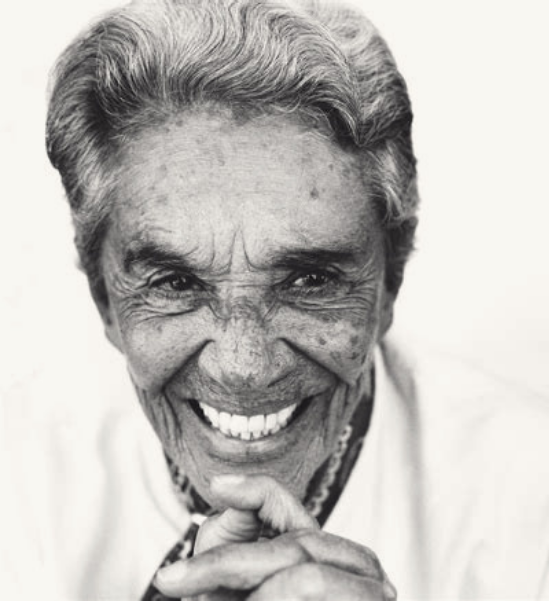
Chavela Vargas
1919-2012
Chavela Vargas was a Costa Rican-born Mexican singer celebrated for her raw, stripped-down interpretations of ranchera music, a genre traditionally sung by men. She performed in men's clothing, refused to change the pronouns in the love songs she sang to women, and became a defining voice of Latin American music across a career that spanned more than five decades. Vargas lived openly as a lesbian at a time when doing so carried real risk, and her later-life resurgence, including collaborations with director Pedro Almodóvar, introduced her artistry and her defiance of convention to new generations.
Learn more: Encyclopaedia Britannica
Listen to her music: YouTube
-
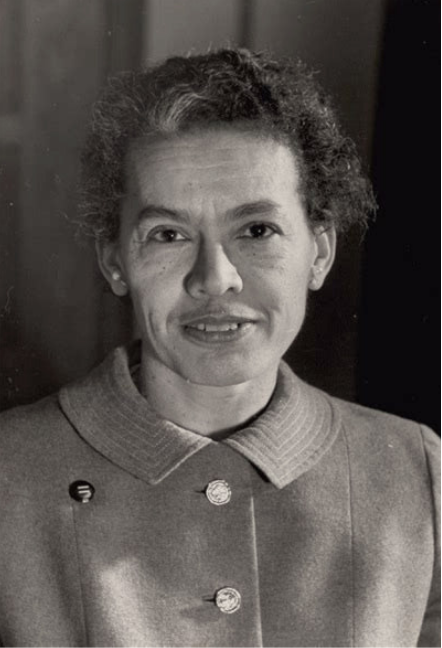
Pauli Murray
1910-1985
Pauli Murray was a lawyer, writer, labor organizer, and later an Episcopal priest whose legal thinking helped shape the arguments used in Brown v. Board of Education. Murray, who wrestled with gender identity throughout life and was referred to using a range of pronouns across different periods, coined the term "Jane Crow" to describe the overlap of racial and gender discrimination. In 1977, Murray became the first Black person perceived as a woman to be ordained an Episcopal priest. Murray's writing and legal scholarship laid groundwork for both the civil rights and women's rights movements.
Learn more: Pauli Murray Center
-
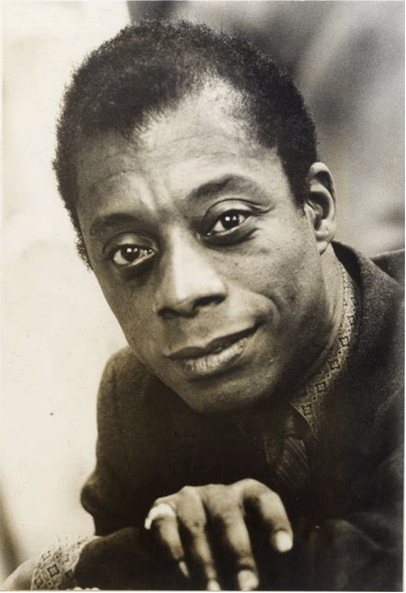
James Baldwin
1924-1987
James Baldwin was a novelist, essayist, and playwright whose writing gave voice to the experience of being Black and queer in America. Raised in Harlem, Baldwin moved to France in 1948 seeking greater freedom, though he returned often to take part in the civil rights movement, participating in the March on Washington and the Selma marches. Works like "Notes of a Native Son" and "The Fire Next Time" remain foundational texts on race, identity, and belonging in the United States. Baldwin's willingness to write honestly about desire, shame, and selfhood opened space for generations of queer writers who followed him.
Learn more: National Museum of African American History and Culture
Read James Baldwin: Big Book Baby